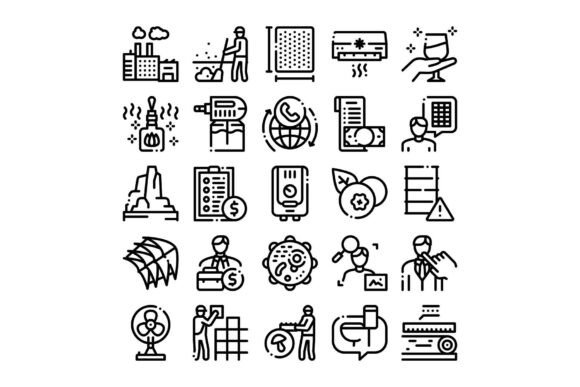
Enhancing Visual Communication with a Diverse Collection of Icons for Design C
In today's fast-paced digital environment, visual communication plays a pivotal role in conveying complex ideas quickly and effectively. Icons, as visual shorthand, have become indispensable tools for designers across industries. A Diverse Collection of Icons for Design C offers a versatile set of visual elements that cater to a wide range of design needs—from business dashboards to mobile app interfaces.
Icons are more than just decorative elements; they guide users, simplify navigation, and enhance the overall aesthetic of a design. Whether you're working on a website, a mobile application, or print media, the right set of icons can make a significant difference in user engagement and comprehension.
Why a Diverse Collection Matters
Design projects today are rarely limited to a single theme or industry. A modern website might need to represent concepts ranging from technology and finance to health and nature—all within the same interface. This is where a Diverse Collection of Icons for Design C shines, offering a broad spectrum of icon styles and subject matter.
Such collections typically include icons for:
- Business and finance (charts, reports, currency symbols)
- Technology and IT (servers, cloud computing, mobile devices)
- Nature and environment (trees, water, animals)
- Food and beverage (utensils, ingredients, dishes)
- Culture and society (people, events, traditions)
- Personal care and wellness (fitness, beauty, mental health)
This variety ensures that designers can find the right visual representation for almost any concept without needing to source icons from multiple providers.
Colorful Line Art Icons: A Modern Design Staple
Among the most popular styles in contemporary design are colorful line art icons. These icons strike a balance between simplicity and expressiveness, making them ideal for both minimalistic and vibrant design schemes.
Line art icons are characterized by their clean outlines and subtle details, often filled with soft, pastel, or bold colors to match different brand palettes. Their adaptability makes them suitable for:
- User interfaces (UI) in web and mobile apps
- Infographics and data visualizations
- Marketing materials and presentations
- Print and digital publications
Because of their scalable nature, line art icons maintain clarity at any size, which is especially important for responsive web design and high-resolution displays.
How These Icons Fit Into Modern Workflows
Designers today work with a variety of tools and platforms, from Adobe Illustrator and Sketch to Figma and Canva. A well-structured Diverse Collection of Icons for Design C is typically available in multiple file formats (SVG, PNG, EPS) and is compatible with most design software.
These icons can be easily integrated into:
- Web Development: Enhancing navigation menus, buttons, and interactive elements.
- Mobile App Design: Creating intuitive interfaces with recognizable symbols.
- E-commerce Platforms: Representing product categories, features, and support options.
- Dashboard Interfaces: Visualizing data points and functional actions in business tools.
Moreover, with the rise of no-code and low-code platforms, even non-designers can benefit from these icon sets to create polished, professional-looking interfaces without deep technical expertise.
Practical Benefits of Using a Diverse Icon Set
Investing in a comprehensive icon collection isn’t just about aesthetics—it’s about efficiency and scalability. Here are some practical advantages:
- Consistency: All icons follow a unified style, ensuring visual harmony across your project.
- Time-Saving: Avoid the hassle of searching for individual icons from various sources.
- Licensing Clarity: Reputable icon sets come with clear usage rights, reducing legal risks.
- Scalability: Vector-based icons can be resized without losing quality, perfect for responsive design.
For teams working collaboratively, having a single source of truth for visual assets streamlines workflows and reduces version control issues.
Choosing the Right Icons for Your Project
When selecting icons from a Diverse Collection of Icons for Design C, consider the following factors:
- Style Compatibility: Ensure the icon style matches your brand’s visual identity.
- Use Case: Some icons are better suited for flat design, while others excel in detailed illustrations.
- Accessibility: Opt for icons that are easily recognizable, even by users with visual impairments.
- Customization: Look for sets that allow color and size adjustments to fit your design needs.
For example, a healthcare app might prioritize icons related to wellness, first aid, and telemedicine, while an e-learning platform would benefit from icons representing books, courses, and progress tracking.
Real-World Applications and Examples
Let’s look at a few practical examples of how these icons are used in real-world design scenarios:
- E-commerce Website: A fashion retailer uses icons to differentiate between categories like "Men," "Women," and "Accessories," improving navigation and user experience.
- Project Management Tool: A productivity app uses icons to represent tasks, deadlines, and team collaboration, making the interface more intuitive.
- Travel Blog: Nature and transportation icons help readers quickly identify destinations, activities, and travel tips.
In each of these cases, the use of a cohesive and diverse icon set contributes to a cleaner, more engaging interface that supports the user's journey.
Final Thoughts on Icon Selection
Icons are more than just visual embellishments—they are essential components of modern design that enhance usability, clarity, and emotional connection. A Diverse Collection of Icons for Design C empowers designers to communicate effectively across a wide range of themes and platforms.
Whether you're building a mobile app, designing a website, or creating a presentation, investing in a high-quality, versatile icon set can save time, reduce complexity, and elevate the overall quality of your work. By choosing icons that align with your brand voice and project goals, you ensure that your visual communication remains both functional and aesthetically pleasing.