Understanding the Business Industry Service Collection Ico and Stylized Isometric Icons in Modern Design
Icons play a crucial role in visual communication, especially in the digital world. Among the most versatile and widely used sets today are the Business Industry Service Collection Ico and the collection of stylized isometric business and service industry icons. These icon sets are more than just decorative elements—they serve as intuitive visual guides that help users navigate websites, apps, and digital content with ease.
What Are Business Industry Service Icons?
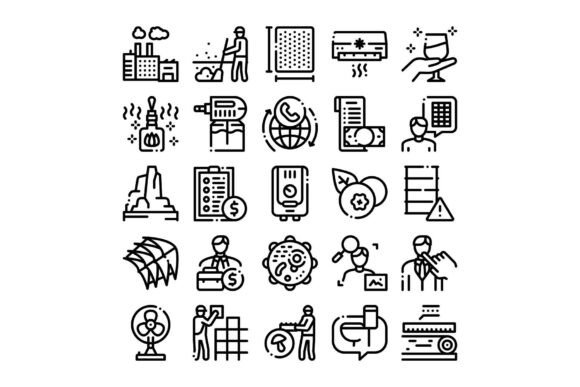
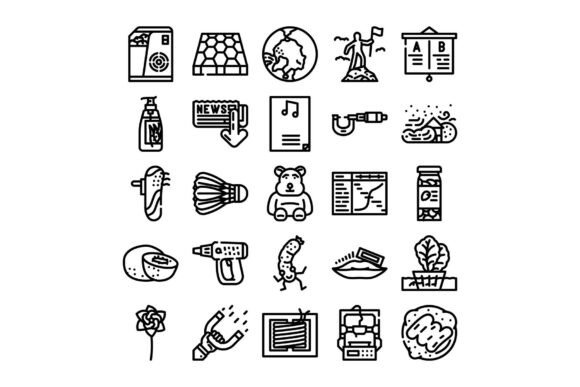
The Business Industry Service Collection Ico refers to a curated set of icons that represent various elements of the business and service sectors. These icons include symbols related to finance, marketing, customer service, logistics, human resources, and more. Each icon is designed to convey a specific idea or function quickly and clearly.
Similarly, the stylized isometric business and service industry icons offer a more dimensional and modern approach. Isometric icons use a 3D-like perspective while remaining flat and scalable, making them ideal for modern web and graphic design applications. These icons are often used in dashboards, infographics, presentations, and mobile apps to enhance user experience and visual storytelling.
Why These Icons Matter in Design
Icons are essential in digital design for several reasons:
- Visual Clarity: Icons simplify complex ideas into recognizable visuals, making content easier to digest.
- Space Efficiency: Especially on mobile interfaces, icons save space while maintaining functionality.
- Universal Understanding: Well-designed icons transcend language barriers, making them ideal for global audiences.
- Brand Consistency: Using a unified icon set reinforces brand identity and design coherence.
For businesses and designers, choosing the right set of icons—such as the Business Industry Service Collection Ico or isometric business icons—can significantly impact how effectively a message is communicated.
How Isometric Icons Enhance User Experience
Isometric icons are particularly popular in modern design due to their unique visual appeal and adaptability. Unlike flat icons, which are two-dimensional, isometric icons use a pseudo-3D perspective that gives depth and realism without compromising scalability.
These icons are commonly used in:
- Web dashboards and admin panels
- Mobile applications and user interfaces
- Marketing materials and presentations
- Data visualizations and infographics
For example, an isometric icon of a delivery truck can represent logistics, while a stylized office building might symbolize corporate services. These icons are not only visually engaging but also help users process information faster than text alone.
Practical Applications Across Industries
From startups to multinational corporations, the Business Industry Service Collection Ico and isometric business icons find applications in a wide range of fields. Here are some practical examples:
- E-commerce: Icons for shopping carts, payment methods, and shipping options improve navigation and user experience.
- Finance: Symbols for budgeting, investment, and banking help simplify complex financial dashboards.
- Healthcare: Icons representing medical services, appointments, and prescriptions make healthcare apps more intuitive.
- Education: Learning platforms use icons to represent courses, progress tracking, and interactive tools.
Designers and developers often combine these icons with other UI elements to create cohesive, user-friendly interfaces that enhance accessibility and engagement.
Choosing the Right Icon Set for Your Project
When selecting icons for a project, it’s important to consider:
- Consistency: Ensure all icons follow the same style, color scheme, and stroke weight.
- Scalability: Vector-based icons (like SVGs) maintain quality at any size, making them ideal for responsive design.
- Relevance: Choose icons that accurately represent the function or idea they are associated with.
- Licensing: Always verify usage rights to avoid legal issues, especially for commercial projects.
Many designers opt for pre-made icon sets like the Business Industry Service Collection Ico because they offer professional quality, consistency, and a wide range of relevant symbols. Additionally, isometric icon sets are often available in multiple color variations and file formats, making them flexible for different design needs.
Common Misconceptions About Icon Usage
While icons are powerful tools, there are some common misconceptions that can hinder their effectiveness:
- Icons are universally understood: While many icons are widely recognized, cultural and contextual differences can affect interpretation.
- More icons mean better design: Overloading a design with icons can lead to visual clutter and confusion.
- Icons replace text: Best practices suggest pairing icons with labels, especially for less common symbols.
Understanding these nuances helps designers use the Business Industry Service Collection Ico and isometric business icons more effectively, ensuring clarity and usability.
How These Icons Fit Into Modern Work and Technology
In today’s fast-paced digital landscape, visual communication is more important than ever. As businesses move more operations online, the need for clear, intuitive design becomes critical. Icons like those found in the Business Industry Service Collection Ico and isometric business icon sets help streamline digital experiences across various platforms.
For instance, project management tools like Trello or Asana use icons to represent tasks, deadlines, and team members. Customer service platforms may use service icons to guide users through support options. Even educational technology platforms rely on icons to represent lessons, quizzes, and progress indicators.
These icons also play a role in remote work and collaboration. With teams spread across the globe, visual symbols help bridge communication gaps and make digital tools more accessible to diverse users.
Future Trends in Icon Design
As technology evolves, so does design. Some emerging trends in icon design include:
- Dynamic Icons: Icons that change appearance based on user interaction or context.
- AI-Generated Icons: Machine learning tools that create custom icons based on user input.
- Accessibility-Focused Icons: High-contrast and scalable icons for users with visual impairments.
- Customization: Brands are increasingly opting for bespoke icon sets tailored to their identity.
While the Business Industry Service Collection Ico remains a staple in many design libraries, the future will likely see more adaptive and interactive icon systems that respond to user behavior and device capabilities.
Conclusion: The Value of Thoughtful Icon Design
Icons are more than just small images—they are essential components of effective digital communication. Whether you're using the Business Industry Service Collection Ico or a set of stylized isometric business and service industry icons, the right visual elements can make your content more engaging, intuitive, and impactful.
As businesses and designers continue to embrace digital transformation, the importance of clear, scalable, and meaningful icons will only grow. By understanding the purpose and potential of these tools, you can make more informed design decisions that enhance user experience and support your communication goals.