Unlocking Visual Communication: The Role of Business, Technology, and Health Icons in Modern Design
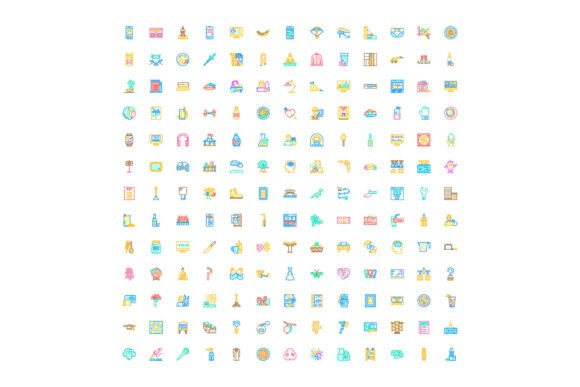
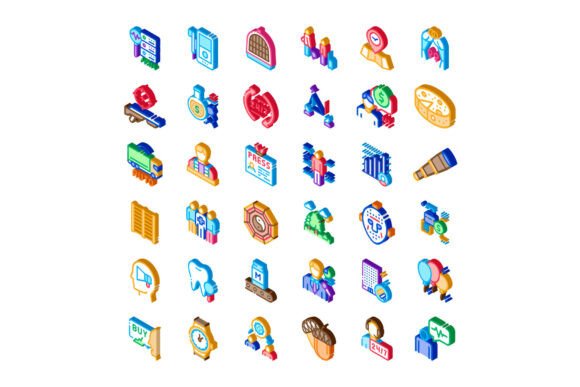
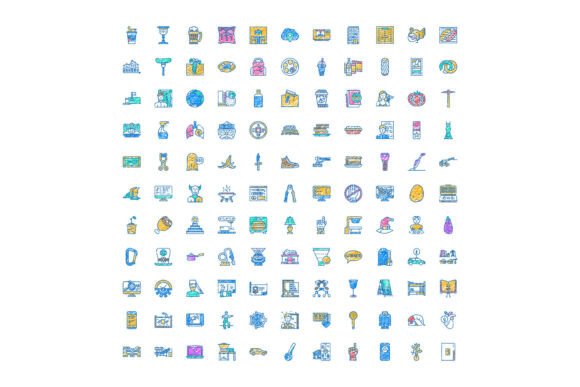
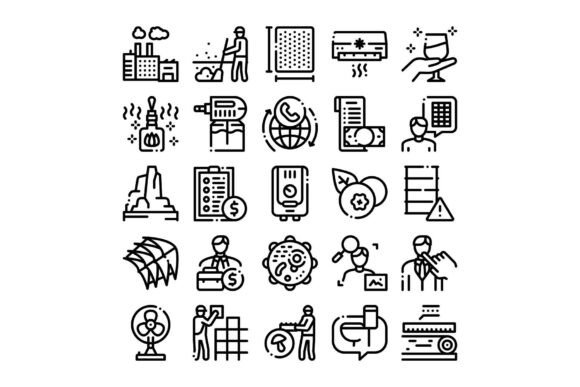
In today's digital-first world, visual communication plays a pivotal role in how information is conveyed, understood, and retained. A Collection of Business, Technology and Health icons serves as a universal language that bridges gaps between users, interfaces, and complex concepts. These icons are not just decorative elements—they are essential tools that streamline navigation, enhance user experience, and support intuitive design across websites, apps, and digital platforms.
From a small startup’s landing page to the dashboard of an enterprise-level SaaS platform, icons are everywhere. They help users quickly identify functions, navigate menus, and understand features without relying solely on text. As digital interactions become more visual and fast-paced, the demand for clear, cohesive, and contextually relevant icon sets has never been higher.
Why Visual Symbols Matter in Today’s Digital Landscape
Visuals are processed by the brain 60,000 times faster than text, making icons an efficient way to communicate ideas in a glance. This efficiency is especially valuable in environments where users expect immediate comprehension—such as mobile apps, dashboards, or e-commerce sites. A well-designed icon can convey meaning without requiring translation, making it ideal for global audiences.
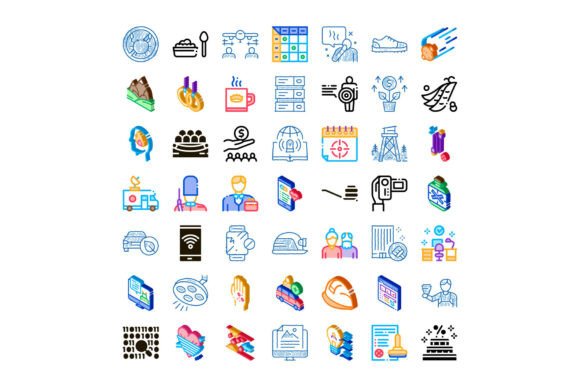
The Collection of Business, Technology and Health icons encapsulates a wide range of modern needs. Business icons may represent productivity, finance, or communication. Technology icons cover everything from cloud computing to cybersecurity. Health icons address wellness, fitness, and medical services. Together, they form a comprehensive visual toolkit that supports a wide array of industries and applications.
Aligning with Current Design Trends and User Expectations
Today’s users expect interfaces that are clean, responsive, and easy to navigate. Minimalist design trends favor simplicity and clarity, where visual cues like icons take center stage. The rise of mobile-first design has further emphasized the need for scalable, recognizable symbols that work seamlessly across devices.
Designers are also embracing more inclusive and diverse iconography. This includes using icons that reflect a broader range of roles, identities, and cultural contexts. A modern icon set must be versatile enough to support evolving workplace dynamics, such as remote collaboration tools, digital health services, and emerging tech platforms.
How Icon Design Has Evolved Over Time
Icons have come a long way from the skeuomorphic designs of the early digital era, where buttons looked like real-world objects. Today’s icons are more abstract, stylized, and focused on function. Flat design, material design, and neumorphism have all influenced how icons are created and used.
With the increasing complexity of digital tools, icon design has also become more specialized. For example, a business icon might now represent a specific function like data analytics or team collaboration, rather than a generic “office” symbol. This level of specificity helps users quickly identify features and improves the overall usability of digital products.
Practical Benefits for Designers, Developers, and Businesses
For designers and developers, having access to a robust Collection of Business, Technology and Health icons can significantly streamline the design process. Pre-designed, scalable icons reduce the need for custom illustration while ensuring consistency across platforms. They also contribute to faster load times and improved accessibility when implemented correctly.
Businesses benefit by being able to present their services or products in a visually engaging way. Whether it’s a health app using icons to guide users through wellness routines or a tech startup illustrating its product features, icons help build a more intuitive and engaging user journey.
Real-World Applications Across Industries
- E-commerce platforms use icons to highlight shipping options, payment methods, and product features.
- Health and wellness apps rely on icons to represent exercises, nutrition, and mental health resources.
- Business dashboards use icons to denote performance metrics, user engagement, and workflow steps.
- Educational tools incorporate icons to guide learners through modules, assessments, and interactive content.
Choosing the Right Icon Set for Your Needs
Not all icon sets are created equal. When selecting icons for a project, consider the following factors:
- Consistency: Ensure all icons follow the same design style—line, solid, color, or glyph.
- Scalability: Vector-based icons are ideal for responsive design and high-resolution displays.
- Accessibility: Use sufficient contrast and avoid relying solely on color to convey meaning.
- Relevance: Choose icons that clearly represent the concept or function they are associated with.
Many design platforms and marketplaces now offer curated icon sets tailored to specific industries. A Collection of Business, Technology and Health icons is particularly valuable for those working across multiple domains or building cross-functional platforms.
Future-Proofing Your Visual Language
As technology continues to evolve, so too will the visual language we use to interact with it. Voice interfaces, augmented reality, and AI-driven platforms may change how we engage with digital tools, but icons will remain a key part of the user experience. Their ability to transcend language and simplify complex ideas ensures they will remain relevant for years to come.
Designers and businesses should consider how their icon choices reflect current and future trends. This includes staying adaptable to new technologies, embracing inclusive design principles, and anticipating how users will interact with interfaces in different contexts.
Final Thoughts: Icons as More Than Just Visual Elements
A Collection of Business, Technology and Health icons is more than just a design asset—it's a strategic tool that supports usability, branding, and user engagement. In a world where attention spans are short and digital experiences are increasingly visual, icons help users find their way, understand what’s available, and feel confident in their interactions.
Whether you're a developer building the next big app, a marketer launching a campaign, or a designer crafting a user interface, investing in a thoughtful, well-designed icon set is one of the most impactful decisions you can make. It’s not just about aesthetics—it’s about creating a clearer, more intuitive digital world.