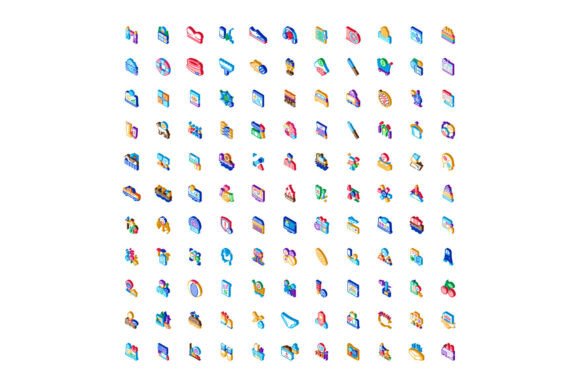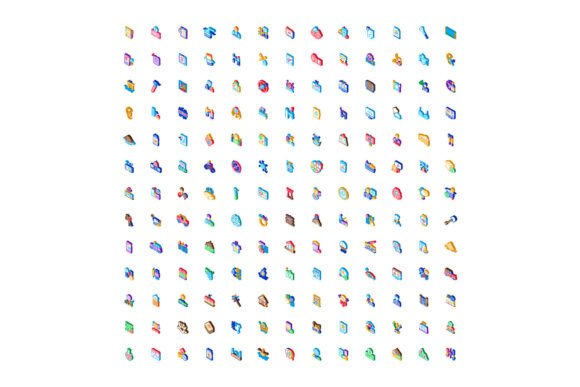
Understanding Business and Technology Isometric Icons: A Comprehensive Guide
Isometric icons have become a cornerstone of modern web and user interface design. These visually engaging elements combine aesthetics with functionality, especially in the realms of business, finance, and technology. But what exactly are business and technology isometric icons, and why are they so widely used today? This article dives deep into the concept, exploring their purpose, significance, and how they contribute to effective digital communication.
What Are Isometric Icons?
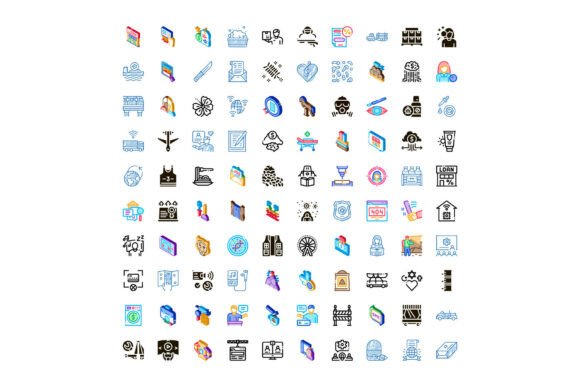
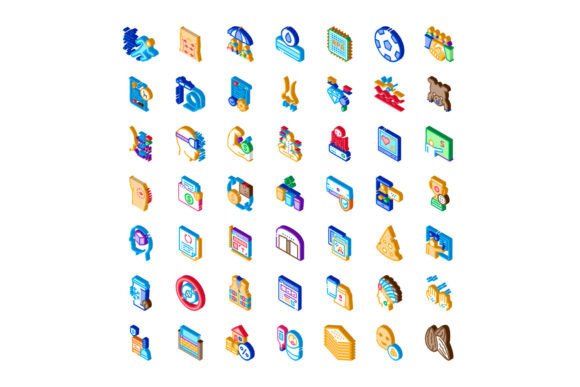
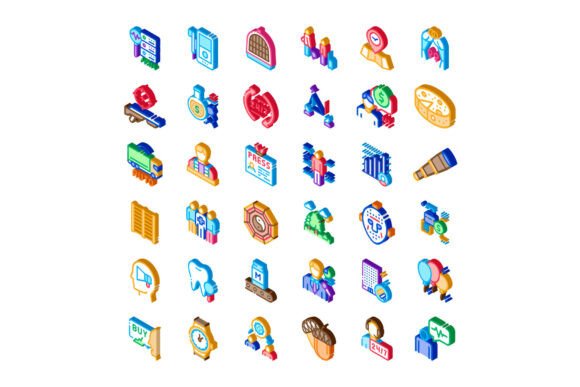
Isometric icons are a type of 3D-like illustration drawn in a 2D space. They use a specific angle—typically 30 degrees—to create the illusion of depth without the complexity of full 3D modeling. This style allows for a clean, modern, and visually appealing presentation that works well across digital platforms.
When applied to business and technology concepts, isometric icons serve as visual metaphors for abstract ideas, processes, and digital tools. They help simplify complex information, making it easier to digest and more engaging for users.
The Role of Isometric Icons in Modern Design
In today’s digital-first world, visual communication is more important than ever. Whether it’s a website, app, or presentation, the way information is presented can make or break user engagement. This is where isometric icons come into play.
- Enhanced Visual Storytelling: These icons allow designers to tell stories visually, representing concepts like cloud computing, digital marketing, or financial planning in a way that’s easy to understand.
- Improved User Experience: Icons break up text-heavy content, guide users through interfaces, and make navigation more intuitive.
- Brand Consistency: A cohesive set of isometric icons ensures a unified visual language across all digital touchpoints, reinforcing brand identity.
Why Business and Technology Sectors Rely on Isometric Icons
Business and technology are fast-paced industries filled with abstract and evolving concepts. Communicating these ideas clearly and effectively is essential, especially in educational materials, dashboards, marketing content, and software interfaces.
For example, explaining a blockchain system or a machine learning model can be challenging with words alone. An isometric icon depicting a network of interconnected nodes or a robot analyzing data can instantly convey the core idea without needing lengthy explanations.
Benefits of Using a Diverse Collection of Isometric Icons
A comprehensive set of isometric icons tailored for business and technology offers several advantages:
- Scalability: These icons are vector-based, meaning they can scale to any size without losing quality, making them ideal for responsive web design.
- Customization: Most isometric icon sets are fully editable, allowing designers to tweak colors, shapes, and styles to match brand guidelines.
- Time Efficiency: Ready-to-use icon libraries save development time and reduce the need for custom illustrations.
- Cross-Platform Compatibility: From mobile apps to desktop software and websites, isometric icons maintain visual consistency across platforms.
Practical Applications Across Industries
Let’s take a closer look at how isometric icons are being used in real-world scenarios:
- E-commerce Platforms: Icons representing secure payments, delivery trucks, or customer support help users navigate online stores with ease.
- Financial Dashboards: Visuals for income, expenses, investments, and savings provide a quick overview of financial health.
- Educational Websites: Icons for online courses, certifications, and virtual classrooms make learning platforms more engaging and accessible.
- Enterprise Software: Complex workflows and data visualization tools are simplified using isometric representations of servers, databases, and APIs.
How to Choose the Right Isometric Icon Set
Not all icon sets are created equal. When selecting a collection of business and technology isometric icons, consider the following factors:
- Relevance: Ensure the set includes icons that match your specific industry needs—whether it's cloud computing, e-commerce, fintech, or project management.
- Consistency: Icons should share a common visual style, including line thickness, color palette, and perspective to maintain design harmony.
- Licensing: Check whether the icons are free to use or require a commercial license, especially for business applications.
- Update Frequency: Opt for icon libraries that are regularly updated with new concepts to keep up with technological and industry changes.
Common Misconceptions About Isometric Icons
Despite their popularity, some misconceptions still exist around the use of isometric icons:
- “They’re just decorative.” While visually appealing, these icons serve a functional purpose by enhancing usability and comprehension.
- “Only designers can use them.” Many platforms offer drag-and-drop tools that allow non-designers to incorporate isometric icons into their projects easily.
- “They work for every project.” While versatile, isometric icons may not be suitable for minimalist or ultra-modern design styles that favor flat or line icons exclusively.
How Isometric Icons Fit Into the Future of Digital Design
As technology continues to evolve, so do the ways we interact with digital content. Isometric icons are part of this evolution, offering a bridge between abstract ideas and visual understanding.
With the rise of AI-driven design tools, we’re seeing more automated icon generation and customization. Additionally, as AR and VR interfaces become more mainstream, isometric visuals may play a role in creating intuitive 3D user experiences without the need for complex modeling.
Getting Started with Isometric Icons in Your Projects
If you're new to using isometric icons, here’s a simple guide to help you get started:
- Identify Your Needs: Determine which business or technology concepts you need to represent visually.
- Choose a Reliable Source: Explore platforms like Flaticon, Noun Project, or Creative Market for high-quality isometric icon sets.
- Integrate Thoughtfully: Use icons to complement, not replace, textual content. Always ensure accessibility by adding alt text for screen readers.
- Test and Iterate: Observe how users interact with your designs and refine your icon usage based on feedback.
Conclusion: The Value of Visual Clarity in a Complex World
In a world overflowing with information, clarity and simplicity are more valuable than ever. Business and technology isometric icons offer a powerful way to communicate complex ideas with elegance and efficiency. Whether you're a designer, developer, marketer, or educator, incorporating these icons into your work can enhance understanding, improve user experience, and elevate your visual communication strategy.
By investing in a diverse and well-designed isometric icon library, you equip yourself with the tools needed to create engaging, intuitive, and future-ready digital experiences. As design trends continue to evolve, one thing remains certain: the power of a well-crafted visual is timeless.