Unlocking Creativity with the Miscellaneous Objects Outline Collection
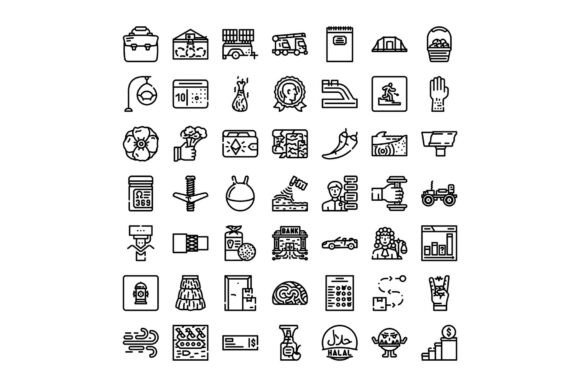
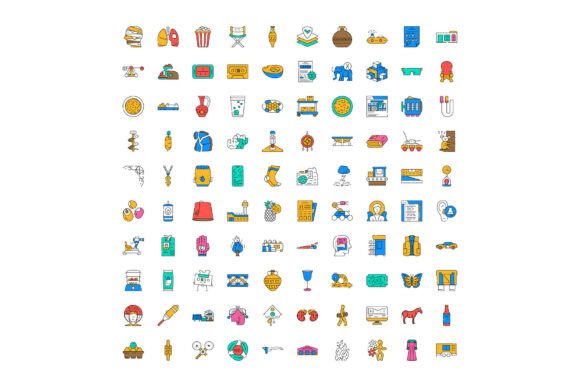
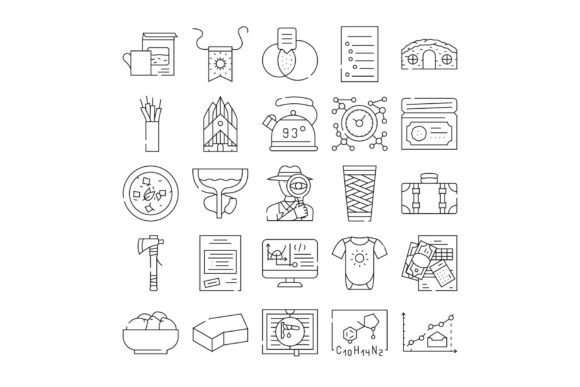
In a digital landscape that thrives on visual clarity and efficient communication, the Miscellaneous Objects Outline Collection has emerged as a go-to resource for creators across industries. This curated set of line art icons captures a wide range of objects and abstract concepts, offering a flexible visual language that supports everything from web interfaces to educational materials. Whether you're designing a mobile app, building an e-learning module, or crafting a presentation, these minimalist illustrations provide a clean, consistent foundation for modern visual storytelling.
Why Simplicity Matters in Visual Design
The rise of flat design and minimalism in recent years has shifted how we approach visual communication. Users now expect interfaces and content to be intuitive, uncluttered, and fast-loading. The Miscellaneous Objects Outline Collection aligns perfectly with this shift by delivering scalable, lightweight graphics that convey meaning without overwhelming the viewer. These icons are not just decorative—they serve a functional purpose by guiding user attention and enhancing comprehension.
For example, a financial dashboard might use a simple currency icon from the collection to represent a transaction, while an educational platform could incorporate abstract symbols to illustrate complex ideas like data flow or system integration. The versatility of these icons makes them a valuable asset in any design toolkit.
Adapting to Changing Workflows and Creative Practices
Modern design workflows increasingly rely on reusable components and modular systems. Designers, developers, and content creators are under pressure to produce high-quality visuals quickly without compromising consistency. The Miscellaneous Objects Outline Collection supports this need by offering a cohesive set of icons that can be easily integrated into design systems, style guides, and UI kits.
Freelancers and small business owners, in particular, benefit from having a ready-to-use library of visual elements. Instead of commissioning custom illustrations or spending hours searching for the right image, they can simply select an appropriate icon from the collection and customize it to fit their brand or message. This efficiency is especially valuable in fast-paced environments where time-to-market can make or break a project.
Supporting Diverse Use Cases Across Industries
- Web and App Development: Icons from the collection help streamline navigation and improve user experience by offering visual cues that transcend language barriers.
- Education and Training: In e-learning modules, abstract icons can simplify complex topics, making them more digestible for learners of all ages.
- Marketing and Content Creation: Bloggers and social media managers can enhance posts with visual storytelling elements that capture attention without distracting from the message.
- Entrepreneurship and Startups: Founders building MVPs (Minimum Viable Products) often use such icons to prototype interfaces quickly while maintaining a professional look.
How the Collection Reflects Modern User Expectations
Today’s users are accustomed to seamless digital experiences. They expect interfaces to be intuitive, content to load quickly, and visuals to be responsive across devices. Line art icons from the Miscellaneous Objects Outline Collection meet these expectations by being scalable, resolution-independent, and easy to adapt for different screen sizes and color schemes.
Moreover, the trend toward dark mode interfaces and accessible design has increased the demand for icons that can be easily recolored or adjusted for contrast. Because these icons are based on clean outlines, they offer a high degree of flexibility—allowing designers to tweak stroke widths, colors, and even animation effects to suit specific design contexts.
From Static to Dynamic: The Evolution of Icon Design
Icon design has come a long way from the rigid, pixel-based graphics of the early web. Today, designers expect icons to be dynamic, adaptable, and expressive. The Miscellaneous Objects Outline Collection reflects this evolution by offering not just individual icons, but a design system that can grow with a project. As user needs and design trends shift, these icons can be updated or extended to maintain relevance without requiring a complete redesign.
For instance, as voice interfaces and AI-driven platforms become more common, designers are exploring new ways to represent abstract concepts like automation, data flow, and connectivity. The collection includes symbols that can be used to illustrate these emerging ideas, helping creators communicate the future without relying on outdated metaphors.
Practical Tips for Using the Collection Effectively
- Start with a Clear Purpose: Before selecting an icon, ask what function it serves. Is it for navigation, information, or interaction? Choose icons that align with the intended user action.
- Stick to a Consistent Style: Mixing icon styles can create visual noise. The Miscellaneous Objects Outline Collection ensures uniformity in stroke weight, corner radius, and overall aesthetic, making it easier to maintain a cohesive design.
- Use Color Strategically: While the icons are outlined, color can be used to highlight key elements or convey meaning. For example, a red icon might indicate a warning, while a green one signals success.
- Optimize for Performance: Since these are vector-based icons, they load quickly and scale without loss of quality. However, it's still important to optimize file sizes and avoid unnecessary complexity.
- Pair with Typography: Icons work best when paired with clear, readable text. Use them to support—not replace—written communication.
Real-World Applications and Emerging Opportunities
One of the most compelling aspects of the Miscellaneous Objects Outline Collection is its adaptability. A single icon set can be used across a wide range of platforms and contexts. For example, a healthcare app might use medical-themed icons to guide users through a symptom checker, while a productivity tool could use abstract symbols to represent task categories or workflow stages.
As remote work and digital collaboration become the norm, there’s a growing need for visual tools that help teams communicate more effectively. Icons from the collection can be used in project management dashboards, team communication tools, and virtual whiteboards to represent tasks, milestones, and ideas in a way that’s both intuitive and visually engaging.
Looking Ahead: Designing for the Next Generation of Users
As technology continues to evolve, so too will the way we communicate visually. The Miscellaneous Objects Outline Collection is not just a product of current design trends—it's a foundation for future innovation. Whether it's supporting new interaction models, adapting to emerging screen formats, or integrating with AI-driven design tools, this collection is built to grow with the needs of its users.
For educators, the collection offers a way to simplify complex subjects and make learning more interactive. For entrepreneurs, it provides a cost-effective way to prototype and scale digital products. And for creatives, it serves as a source of inspiration and a toolkit for building more expressive, user-friendly designs.