Enhancing Digital Design with a Collection of Random Objects and Themes
Introduction to a Versatile Design Resource
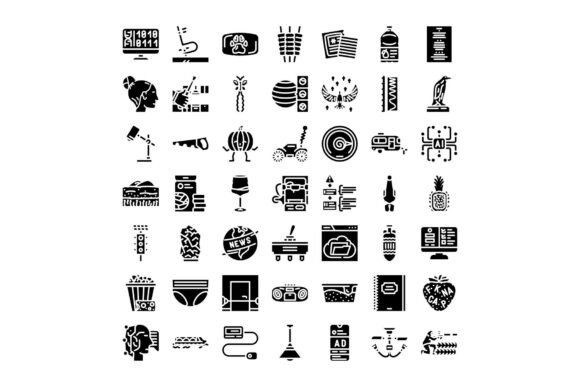
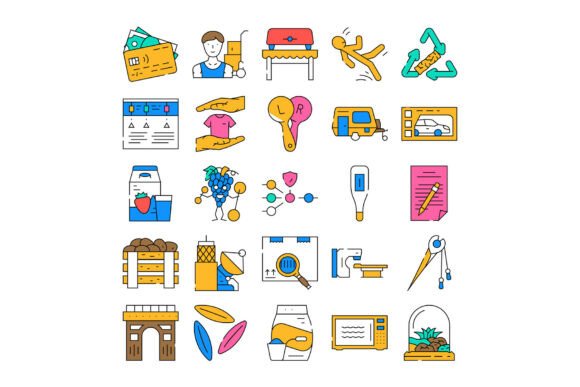
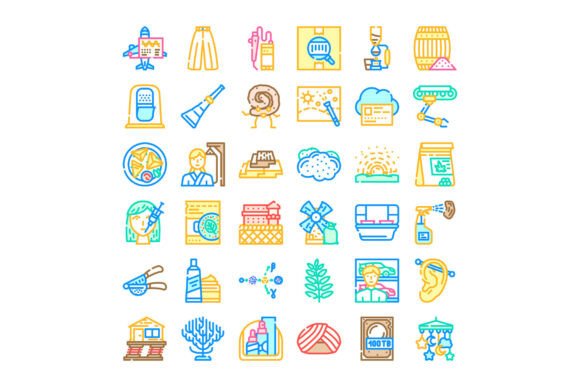
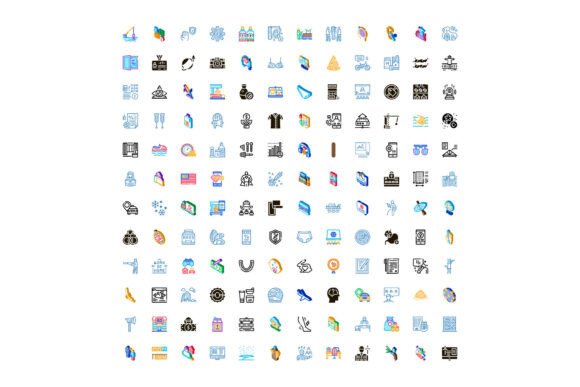
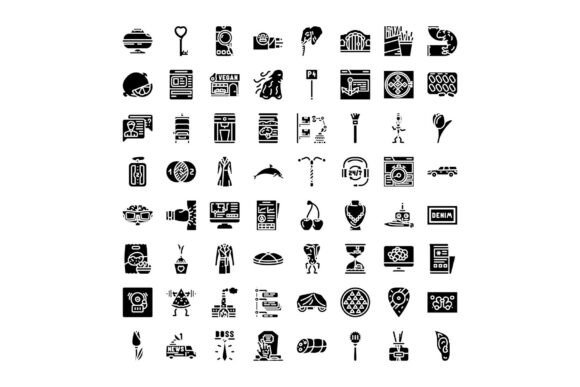
In today’s fast-paced digital landscape, visual communication plays a pivotal role in user engagement, brand identity, and overall design effectiveness. A Collection of Random Objects and Themes offers a rich, diverse set of visual assets that span everyday objects, abstract concepts, animals, food, and technology. This curated library is more than just an assortment of icons — it's a dynamic toolkit for web designers, UI/UX professionals, and digital creators seeking to enhance their projects with intuitive, recognizable, and aesthetically pleasing elements.
Why This Collection Matters in Modern Design
As the digital world becomes increasingly visual, the demand for high-quality, flexible design assets has never been higher. Designers are tasked with creating interfaces and visuals that are not only functional but also emotionally resonant and culturally relevant. A Collection of Random Objects and Themes meets this need by offering a wide variety of glyphs that can be easily integrated into websites, mobile apps, marketing materials, and more.
These icons are especially valuable in user interface design, where clarity and simplicity are key. Whether it's a food delivery app using a fork and knife icon or a productivity tool leveraging a stylized clock for time management features, the right visual cue can significantly improve user comprehension and interaction.
Adapting to Evolving Design Trends
Design trends are constantly shifting, influenced by technological advancements, cultural changes, and evolving user expectations. The rise of minimalism, flat design, and scalable vector graphics has made iconography more important than ever. The Collection of Random Objects and Themes is well-suited to these trends because it offers clean, scalable, and easily customizable icons that can be used across platforms and screen sizes.
Moreover, the collection's thematic diversity allows designers to create interfaces that reflect broader societal themes — from sustainability and health to digital innovation and global connectivity. This makes it a powerful tool for brands looking to align their visual identity with contemporary values and consumer interests.
Practical Applications Across Industries
One of the standout features of this collection is its versatility. It isn’t limited to a single industry or use case. Instead, it provides a broad visual vocabulary that can be applied across a wide range of digital contexts. Let’s explore a few practical applications:
- E-commerce Platforms: Icons representing shopping carts, delivery trucks, and product categories help streamline the user experience and guide customers through the purchasing journey.
- Health and Wellness Apps: Visuals like hearts, running shoes, and leafy greens can enhance the visual language of fitness and nutrition apps, making them more relatable and engaging.
- Technology and SaaS Interfaces: Abstract icons for cloud storage, network connections, and data analytics support complex features with intuitive visuals.
- Travel and Hospitality Websites: Airplane, hotel, and compass icons help users quickly understand navigation options and service offerings.
These examples illustrate how the Collection of Random Objects and Themes supports both functionality and aesthetic appeal, two critical components of modern digital design.
Meeting the Needs of a Remote and Digital-First Workforce
With the rise of remote work and digital collaboration, there’s a growing need for design systems that can be easily shared, modified, and scaled across distributed teams. Glyph icons from this collection are typically delivered in vector formats, making them ideal for responsive design and easy integration into design tools like Figma, Sketch, and Adobe XD.
Freelancers, startups, and enterprise teams alike benefit from having a centralized, easily accessible icon library that supports consistent branding and efficient workflow. This is especially important in agile environments where speed and adaptability are crucial.
Aligning with Broader Consumer and Cultural Trends
Design doesn’t exist in a vacuum. It reflects and responds to the world around us. The increasing emphasis on personalization, inclusivity, and emotional connection in digital experiences has led to a demand for more expressive and culturally relevant design assets. The Collection of Random Objects and Themes rises to this challenge by offering a broad spectrum of visuals that reflect diverse lifestyles, interests, and global perspectives.
For example, as consumers become more environmentally conscious, designers are incorporating nature-themed icons — such as trees, water droplets, and recycling symbols — into their interfaces. Similarly, the growing interest in mental health and wellness has led to an increased use of icons representing mindfulness, meditation, and emotional balance.
Supporting Multilingual and Global Audiences
Icons are a universal language. In a world where digital products are often used by audiences from different linguistic and cultural backgrounds, visual symbols provide a common ground for understanding. A well-designed icon from the Collection of Random Objects and Themes can transcend language barriers, making it easier for global users to navigate and interact with digital platforms.
Why Designers and Brands Are Paying Attention
The growing popularity of this collection is not accidental. Several key factors are driving its adoption among professionals and businesses:
- Versatility: With icons spanning multiple categories, the collection serves a wide range of use cases, from mobile apps to print media.
- Scalability: Vector-based icons maintain quality across all resolutions, making them suitable for both small screens and large billboards.
- Customization: Designers can easily recolor, resize, and combine icons to match brand guidelines and design systems.
- Efficiency: Ready-to-use icons reduce the need for custom illustration, speeding up the design process and reducing development time.
As digital design becomes more complex and user expectations continue to rise, having access to a reliable, comprehensive icon library is no longer a luxury — it’s a necessity.
Integration with Emerging Technologies
The Collection of Random Objects and Themes also aligns well with the evolution of emerging technologies like augmented reality (AR), virtual reality (VR), and voice-controlled interfaces. In these environments, visual cues are essential for guiding user interactions in new and immersive ways. Icons help establish intuitive controls and visual hierarchies, even in non-traditional interfaces.
Conclusion: A Design Essential for the Digital Age
In summary, the Collection of Random Objects and Themes is more than just a set of icons — it’s a strategic design asset that supports innovation, efficiency, and user engagement across digital platforms. Whether you're a freelance designer, part of a creative agency, or managing a brand’s digital presence, this collection offers the tools needed to communicate effectively in a visually driven world.
As we continue to navigate a digital-first era, the importance of clear, adaptable, and meaningful visual design will only grow. By leveraging a diverse and thoughtfully curated set of icons, designers and businesses can stay ahead of the curve and create experiences that resonate with audiences today — and in the future.